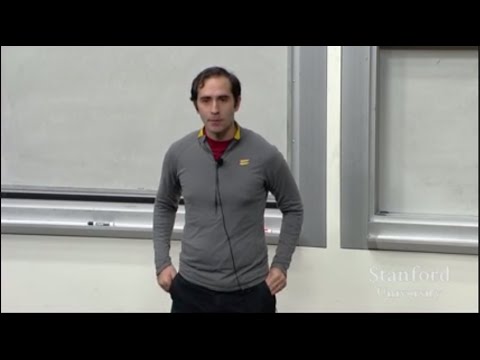
Lecture 15 - How to Manage (Ben Horowitz)
Ben Horowitz teaches CEOs to make every critical decision by seeing it through the eyes of every employee, partner, and absent stakeholder.
Key takeaways
7 points- 1Interpret every decision from every employee’s perspective, not just those in the room.
- 2Ad-hoc raises create a culture where everyone must constantly negotiate.
- 3Formal, periodic raise processes protect fairness and morale.
- 490-day option windows punish departing employees and should be lengthened.
- 5Leaders must reward both those who stay and those who leave with dignity.
- 6Toussaint Louverture succeeded by elevating talent from conquered forces and designing inclusive economic rules.
- 7Under stress, focus only on actions you control.
Summary
Ben Horowitz explains why the single most important management skill is seeing every critical decision through the eyes of the entire company.
Core Concept
- When making any decision, consider how it will be interpreted by every employee, not just the people in the room (0:00-10:01).
- Ignoring other viewpoints produces dangerous side effects that damage culture and retention.
Raises and Process
- Granting an ad-hoc raise rewards only those who ask and pressures everyone else to negotiate constantly (9:58-20:00).
- A periodic, transparent raise process prevents resentment and the “schmoney dance” effect.
Stock Options
- The 90-day exercise window originated from old accounting rules (APB 25) and creates unfair financial burdens on departing employees (19:56-29:58).
- Longer windows and clear policies reward stayers while treating leavers fairly.
Leadership Example
- Toussaint Louverture considered soldiers, enemies, and the culture he wanted to build when integrating conquered forces (29:53-39:56).
- He elevated the best talent from opposing armies and designed economic rules that strengthened the new nation.
Stress and Practice
- Pause before responding; focus on what you can do next rather than what happened (39:52-49:42).
Deep read
Executive Summary
Ben Horowitz argues that effective management requires systematically considering how every decision will be interpreted by all employees, partners, and absent stakeholders. Using examples of raises, stock-option policies, and the leadership of Toussaint Louverture, he shows how single-perspective decisions damage culture and retention while multi-perspective decisions build stronger organizations.
0:00The Single Most Important Management Concept
Ben Horowitz states that the most common CEO mistake is failing to see critical decisions from every point of view in the company. The rule is simple to state yet extremely difficult under pressure.
9:58Raises Create Company-Wide Incentives
Giving a raise only to the employee who asks signals that constant negotiation is required. Employees begin to feel a fiduciary duty to their families to ask repeatedly, eroding trust and fairness. Horowitz recommends a formal, periodic raise process instead.
19:56Stock-Option Exercise Windows
The 90-day post-termination exercise window stems from outdated accounting rules that made longer windows impractical. Departing employees often lack cash to exercise, creating resentment. Horowitz notes that staying employees already receive the benefit of annual dilution; policy should therefore balance both groups.
29:53Toussaint Louverture’s Three Perspectives
Toussaint evaluated every decision through the eyes of his soldiers, the conquered enemy, and the culture he intended to create. He integrated top talent from defeated armies, banned pillaging, and converted former slave owners into tax-paying employers, producing both military strength and economic success.
39:52Managing Stress and Culture
Horowitz advises focusing only on actions you can take. Andreessen Horowitz differentiates itself by helping founder-CEOs develop the skill of seeing the company through others’ eyes before acting.
Action Items
- Before any critical decision, list the perspectives of employees not in the room.
- Replace ad-hoc raises with a formal, periodic, transparent process.
- Evaluate stock-option exercise windows for fairness to both stayers and leavers.
- Pause before responding to any issue; explicitly consider all three viewpoints (your team, the other party, the resulting culture).
- When integrating new talent or opponents, identify and promote the highest performers regardless of prior allegiance.
Mental Models
Glossary
- 90-day exercise window
- The period after leaving a company during which an employee must exercise vested stock options or lose them.
- APB Opinion 25
- Old accounting rule that made variable stock-option accounting impractical for public companies, leading to the 90-day standard.
Notable Quotes
“When you're making a critical decision, you have to understand how it's going to be interpreted from all points of view.”
“You've got to keep your focus on what you can do not what happened to you.”
Topics
More from How to Start a Startup (YC)
See all